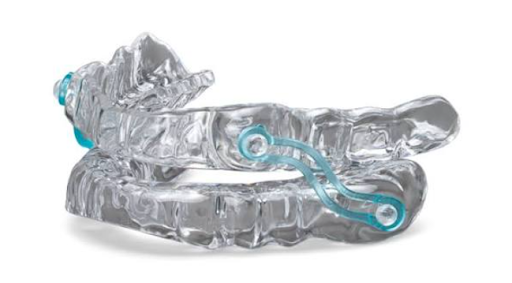
Sleep is vital for concentration, emotional conditions and energy spent on everyday activities and obligations. For some patients, a mandibular splint for sleep apnoea will ease breathing during the night or at night time. This mouthpiece is designed to fit individually into a patient’s mouth, which helps to push the jaw forward to preserve space within the airway. This treatment approach can be recommended by qualified clinical experts after a clinical evaluation of the symptoms, a dental health evaluation, and a sleep study take place. Discussions about sleep health can be more reassuring, reasonable and impactful when you grasp how it works.
Clearer Breathing
In people who have obstructive sleep apnoea, the upper airways of the nose and throat become physically obstructed several times during sleep. A mandibular advancement appliance will take the lower jaw forward and lessen the breathing interruptions. If treatment is used at the appropriate time and in appropriate patients, it can aid in improving air flow and allow for more peaceful nights of sleep. This will be determined depending on individual medical situations and testing, by sleep specialists. When done carefully, this will provide patients with a better idea of what treatment might accomplish.
Quieter Nights
Snoring can keep anyone from sleeping a good night’s sleep and others in the house may also end up not sleeping well. In appropriate patients, a properly and professionally fabricated mandibular splint sleep apnoea can help decrease snoring. The appliance can help to promote significantly more relaxed breathing throughout the course of “regular sleep,” owing to the fact it creates an open airway. This doesn’t necessarily mean that the OSAea can be controlled, though, if the snoring is not as loud. Follow up evaluation to see if treatment is working to correct the night-time breathing problem.
Personal Comfort
The process of custom fitting takes place to account for some of the existing teeth in a person’s mouth, their jaw movement and their oral health status. Adjustments of the appliance are made by a professional in a careful fashion to achieve a comfortable appliance position that still ensures the desired forward position. Patients are able to report on the feel of the device and ask questions during planned review appointments. If there is discomfort or change in bite, the dentist can adjust its fit. The personalized care lets individual feel more confident to learn about the care and follow the recommended instructions for their appliance.
Simple Routine
With proper guidance an oral appliance can become an existing, comfortable bedtime routine. Patients typically put on the recommended device at night and take it off shortly after getting up in the morning. Cleaning regularly following the directions of the professionals, helps you maintain good health and hygiene and it also safeguards the appliance itself. It will fit perfectly in a suitable storage case, where it can stay during the hectic days. Consistent use is not that difficult and can be supported by familiar steps, including those linked to agreed treatment.
Daytime Energy
When breathing stops even if it’s for a short period, overall sleep quality can be affected even if adequate sleep has been obtained during the night. For those who respond well to treatment, a person’s sleepiness is reduced and alertness is improved during their regular activities such as their day job. Such changes can make it more comfortable and manageable to approach work, conversation and routine. If improvement occurs between individuals, having an honest discussion with the treating clinician is particularly worthwhile. Professional reviews give a good indication of progress when not used by taking one’s mood.
Flexible Treatment
For some patients it may be possible to use a mandibular splint for sleep apnoea patients who are suitable. It can also be appropriate for certain individuals who cannot stand Continuous Positive Airway Pressure (CPAP) therapy. Decisions are made based on the severity of the condition, medical history and suitability of dental structures. A sleep physician or suitably trained dentist can oversee diagnostic evaluation, fitting and further monitoring. A team-based method that is used to match treatment decisions to the personal health needs and realistic treatment objectives.
Ongoing Guidance
Scheduling regularly will give clinicians a chance to discuss comfort, dental health and the current comfortable fit of the appliance. These changes in the teeth, gums or jaw function may be subtle, but can be detected over time by a dentist. Breathing specialists can set up the recommended further testing to have the breathing interruptions stopped sufficiently with treatment. Opportunities also exist for patients to ask some very important questions and talk about their experiences as they receive treatment. On-going professional assistance supports progressive adaptations, depending on changes in the circumstances, symptoms, and new clinical revelations.
Conclusion
It is essential to raise awareness of the disruption to breathing to help make the right decision when it comes to sleep. A mandibular splint for sleep apnoea can provide an individualised course of treatment for appropriate apnoea patients. When it works, it’s likely to lower the number of times you stop breathing in your sleep and episodes of loud snoring. When effective, it may help decrease the number of times one stops breathing while sleeping and increase troublesome snoring. Regular clinical reviews and appropriate testing ensure the approach is clinically suitable, with professional fitting. With understanding support from knowledgeable professionals, patients can experience more restful sleep and perhaps a more vibrant, rejuvenating beginning to the day.