Category: Home Improvement

  • Eco‑Friendly Building Materials: Sustainable Solutions for Modern Construction

    Eco‑Friendly Building Materials: Sustainable Solutions for Modern Construction

    Eco‑friendly building materials are transforming the construction industry by reducing environmental impact, improving energy efficiency, and fostering healthier living environments. As sustainability becomes a priority for homeowners, architects, and builders alike, understanding the value, types, and benefits of eco‑friendly building materials is crucial. In this comprehensive guide, we explore the most effective sustainable construction materials, their applications, advantages, and considerations for implementation.

    What Are Eco‑Friendly Building Materials?

    Eco‑friendly building materials are products designed with sustainability in mind, minimizing harmful effects on the environment throughout their life cycle. From extraction and manufacturing to transportation and end‑of‑life disposal, these materials aim to reduce carbon emissions, conserve natural resources, and promote safe, non‑toxic environments. The adoption of eco‑friendly building materials is a cornerstone of green building practices, such as those outlined in standards like Leadership in Energy and Environmental Design (LEED) and Building Research Establishment Environmental Assessment Method (BREEAM).

    Why Use Eco‑Friendly Building Materials?

    The push for sustainable construction isn’t just a trend, it’s a necessity. Traditional building materials often involve processes that contribute heavily to pollution, waste, and health risks. Eco‑friendly alternatives, on the other hand, support the circular economy, promote energy efficiency, and help reduce long‑term operational costs of buildings. The global shift toward sustainability places value on materials that enhance performance without compromising environmental integrity.

    Key Benefits of Eco‑Friendly Building Materials

    Reduced Environmental Footprint

    One of the primary advantages of eco‑friendly building materials is their reduced environmental footprint. Materials like bamboo, recycled steel, and low‑VOC paints significantly decrease the ecological load of construction projects. These materials often require less energy to produce, generate fewer emissions, and reduce waste going to landfills.

    Improved Indoor Air Quality

    Indoor air quality is essential for occupant health. Conventional materials may emit volatile organic compounds (VOCs) that contribute to poor air quality. Eco‑friendly materials, such as formaldehyde‑free insulation, natural fiber boards, and low‑VOC finishes, help create healthier indoor environments by minimizing harmful emissions.

    Energy Efficiency and Cost Savings

    Many sustainable materials offer superior insulation and thermal properties. Structural insulated panels (SIPs) and insulated concrete forms (ICFs), for example, improve a building’s thermal performance, reducing energy demand for heating and cooling. Over time, these materials lead to significant cost savings on utility bills.

    Enhanced Durability and Performance

    Eco‑friendly building materials are often engineered for durability. Materials like recycled aggregate concrete and fiber‑reinforced polymers not only perform well but also last longer with minimal maintenance. This longevity supports sustainable building lifespans and reduces resource depletion.

    Common Types of Eco‑Friendly Building Materials

    Recycled Steel

    Recycled steel is one of the most extensively used sustainable construction materials. Unlike new steel production, which involves intensive energy and mining, recycled steel reduces waste and cuts down on greenhouse gas emissions. Steel framing is strong, dependable, and reusable, making it ideal for both residential and commercial structures.

    Bamboo

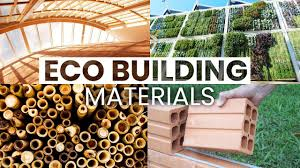
    Bamboo is a rapidly renewable resource known for its strength and flexibility. It grows much faster than conventional timber, making it a highly sustainable choice for flooring, wall panels, and structural components in green building projects. Bamboo’s natural resistance to moisture and pests adds to its appeal.

    Reclaimed Wood

    Reclaimed wood comes from old buildings, barns, and other wooden structures that are no longer in use. Repurposing this wood minimizes the demand for new harvesting and reduces forestry depletion. Reclaimed wood also adds aesthetic value and unique character to interior and exterior designs.

    Insulated Concrete Forms (ICFs)

    ICFs are sustainable building components made from insulating foam blocks that are stacked and filled with concrete. They provide exceptional thermal insulation and structural strength. ICFs reduce heating and cooling loads, supporting energy‑efficient building envelopes and long‑term savings.

    Structural Insulated Panels (SIPs)

    SIPs consist of an insulating foam core sandwiched between two structural facings, typically oriented strand board (OSB). These panels provide excellent insulation and airtightness, dramatically improving energy performance. SIPs are easy to install and reduce construction time.

    Recycled Glass

    Recycled glass is used in countertops, tiles, and decorative finishes. By repurposing waste glass from bottles and packaging, this material reduces landfill waste and avoids new glass manufacturing emissions. Recycled glass products are attractive, durable, and contribute to sustainable interior design.

    Hempcrete

    Hempcrete is a bio‑composite made from the inner fibers of the hemp plant mixed with lime. It offers excellent insulation, regulates humidity, and sequesters carbon dioxide, making it a highly sustainable construction material. Hempcrete is lightweight, breathable, and ideal for eco‑conscious building projects.

    Cork

    Cork is harvested from the bark of cork oak trees without harming the tree itself, allowing repeated harvests. Its natural insulating properties make it excellent for flooring, wall coverings, and thermal barriers. Cork is renewable, biodegradable, and contributes to improved indoor environmental quality.

    Rammed Earth

    Rammed earth construction uses locally sourced soil compacted into forms to create sturdy walls. It offers excellent thermal mass, regulating indoor temperatures naturally. Rammed earth walls are fireproof, pest‑resistant, and have minimal environmental impact when built with appropriate soil mixtures.

    Eco‑Friendly Finishes and Insulation

    Low‑VOC and Zero‑VOC Paints

    Paints with low or zero volatile organic compounds reduce indoor air pollution. These paints are essential for sustainable interiors, especially in residential and office environments where air quality affects occupant health.

    Natural Fiber Insulation

    Natural fiber insulation, such as sheep’s wool, cotton, and cellulose, offers a sustainable alternative to traditional fiberglass insulation. These natural insulators provide excellent thermal performance while being biodegradable and non‑toxic.

    Considerations When Choosing Eco‑Friendly Materials

    Life Cycle Assessment

    When selecting eco‑friendly building materials, it’s important to evaluate the life cycle assessment (LCA) of each material. This includes resource extraction, manufacturing, transportation, installation, maintenance, and disposal. A comprehensive LCA helps ensure that a material’s sustainability claims are backed by measurable environmental benefits.

    Cost and Availability

    While eco‑friendly materials often result in lower operational costs over time, initial material costs might be higher due to manufacturing processes or market availability. Builders and homeowners should weigh upfront investment against long‑term performance and savings.

    Compatibility with Design

    Not all sustainable materials fit every design or climate condition. It’s essential to work with architects and engineers familiar with green building standards to ensure that chosen materials perform well under local environmental conditions and design requirements.

    How Eco‑Friendly Materials Support Green Building Certifications

    Using eco‑friendly building materials is a key strategy for earning credits in green building certification systems such as LEED, BREEAM, and Green Globes. Points are often awarded for materials with recycled content, regional sourcing, renewable resources, and reduced environmental impact. Sustainable material selection can improve certification outcomes, increase property value, and demonstrate corporate or personal commitment to environmental responsibility.

    Case Studies: Eco‑Friendly Material Success Stories

    Residential Green Builds

    Many sustainable homes now use a combination of recycled steel framing, bamboo flooring, and low‑VOC finishes to achieve energy‑efficient, healthy living spaces. Homes that integrate insulated concrete forms and natural fiber insulation often report lower energy bills and improved thermal comfort year‑round.

    Commercial Eco Projects

    Commercial buildings such as office complexes and educational facilities are incorporating recycled glass in design features, cork flooring in communal areas, and hempcrete for non‑load‑bearing walls. These choices not only reduce environmental impact but also create unique aesthetic experiences that appeal to occupants and visitors.

    Urban Sustainability Initiatives

    Cities embracing sustainability are mandating eco‑friendly material use in public projects like community centers, parks, and transit hubs. Projects that prioritize locally sourced recycled materials, efficient insulation systems, and renewable surface finishes contribute to urban resilience and reduced carbon emissions.

    Conclusion

    Eco‑friendly building materials are more than just alternatives; they are the future of sustainable construction. By choosing materials like recycled steel, bamboo, hempcrete, and low‑VOC paints, builders and homeowners dramatically reduce environmental impacts while enhancing health, performance, and long‑term value. Sustainable materials support global efforts to combat climate change, improve indoor environmental quality, and promote responsible resource use. Whether you are building a new home, renovating an office, or planning a large commercial project, integrating eco‑friendly building materials should be at the forefront of your strategy.