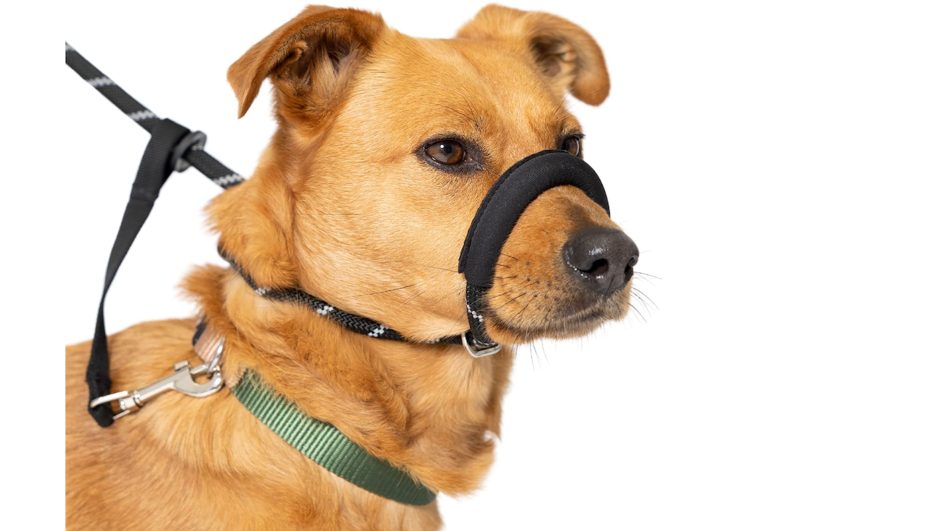
Most dog owners buy random items, hoping something will work, rather than choosing tools designed for their dog’s personality. Training occasionally fails not because dogs lack capability but because the equipment doesn’t match the learning approach required. Contemporary owners who discover the right dog training products realise how dramatically the right tools can change training outcomes. Equipment designed by experienced trainers understands canine psychology better than generic pet store items. Dogs occasionally respond completely differently when using products engineered for their learning style. Understanding product selection reveals why some owners succeed while others struggle endlessly. Training transformation depends entirely upon choosing products matching your dog’s unique temperament and training goals.
Identifying Individual Learning Styles
Dogs occasionally learn better through visual cues rather than verbal commands. Some dogs respond enthusiastically to treat rewards while others prefer toy motivation. Certain dogs require extended time processing commands while others grasp concepts immediately. Analytical dogs occasionally need systematic progression; others learn haphazardly. Products designed for different learning approaches occasionally produce remarkable differences. Food-motivated dogs sometimes excel with treat-dispensing equipment. Toy-driven dogs occasionally respond better to interactive play products. Understanding your dog’s individual style sometimes determines training success more than handler skill.
Supporting Different Temperament Types
Anxious dogs occasionally need calming products creating security. Confident dogs sometimes need challenge-oriented equipment maintaining engagement. Stubborn dogs occasionally respond better to structured constraint products. Energetic dogs sometimes need intensive physical challenge products. Fearful dogs occasionally build confidence through graduated exposure products. Dominant dogs sometimes need leadership-establishing equipment. Dog products designed for specific temperaments occasionally transform stubborn behaviour problems rapidly. Matching products to temperament matters considerably more than generic approaches suggest.
Enabling Communication Clarity
Dogs occasionally misunderstand what owners want when communication remains vague. Clicker products sometimes create precise communication dogs understand instantly. Target sticks occasionally clarify positioning expectations. Bell products sometimes facilitate door-signalling communication. Marker words combined with proper products occasionally create unmistakable understanding. Confusion occasionally disappears when communication becomes specific and consistent. Dogs occasionally respond enthusiastically once commands become crystal clear. Clear communication sometimes resolves behaviour problems nobody anticipated would improve.
Building Consistency Systematically
Training occasionally fails when methods vary between family members. Standardised products sometimes ensure everyone uses identical approaches. Consistent equipment usage occasionally accelerates learning dramatically. Variable training methods sometimes confuse dogs, creating inconsistent responses. Consistency-supporting products occasionally prevent training regression. Family members occasionally train more effectively when using standardised equipment. Unified approaches sometimes produce results faster than confused methods.
Managing Energy Levels Appropriately
High-energy dogs occasionally become destructive without proper outlet products. Low-energy dogs sometimes receive insufficient mental stimulation. Puzzle products occasionally redirect destructive energy constructively. Exercise-enabling products sometimes produce calmer, more focused dogs. Energy matching sometimes determines whether training sessions succeed. Tired dogs occasionally learn better than over-stimulated ones. Appropriate activity products sometimes resolve behaviour problems rooted in boredom or excess energy.
Teaching Specific Behaviours Efficiently
Sit-teaching requires different products than recall training. Aggression management sometimes needs specific constraint equipment. Door-greeting occasionally requires targeted teaching products. Jumping correction sometimes benefits from particular harness types. Loose-leash walking occasionally improves with specific equipment. Each behaviour sometimes responds better to purpose-designed products. Efficiency occasionally increases when using products designed for specific teaching objectives.
Creating Positive Associations
Training occasionally fails when dogs develop negative associations with learning. Fear-free products sometimes eliminate trainer-dog tension. Reward-focused equipment occasionally makes training feel like play. Positive-only products sometimes transform reluctant learners into enthusiastic participants. Association-building with proper equipment occasionally creates lifelong learning enjoyment. Dogs occasionally seek training opportunities when products make learning rewarding. Positive experiences sometimes determine whether dogs embrace future learning opportunities.
Conclusion
Dog training products transform learning when selected thoughtfully and matched strategically. Individual learning styles receive proper support through specialised products. Temperament-matching improves response rates dramatically. Communication clarity eliminates confusion. Consistency-building creates reliable results. Energy management prevents behaviour problems. Specific behaviours are learned efficiently. Positive associations develop naturally. Those selecting appropriate dog training products discover training success exceeding expectations considerably.