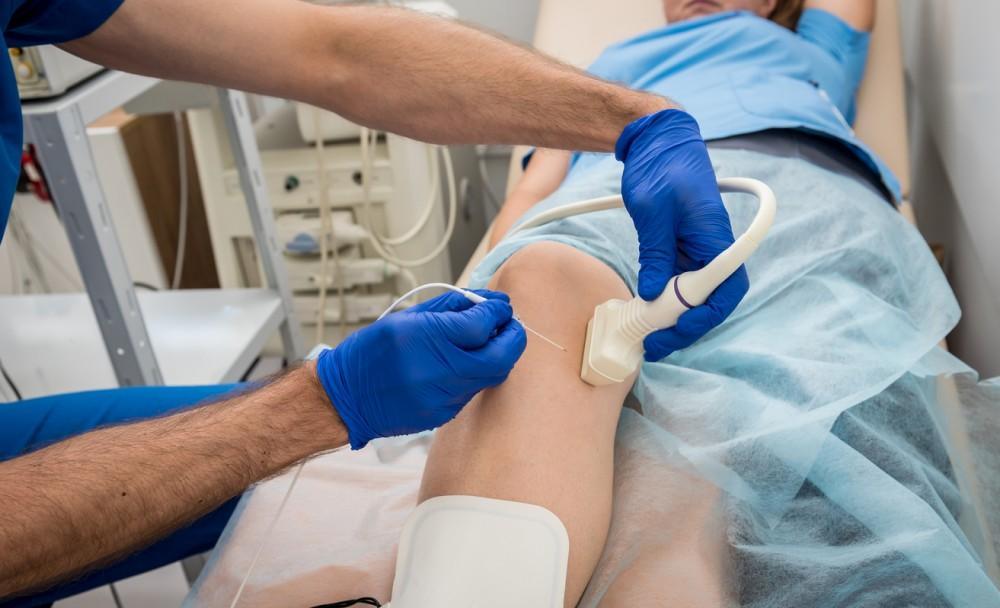
Chronic leg wounds sometimes resist healing for months, creating genuine frustration for sufferers dealing with persistent complications. Open sores occasionally prevent normal activities, restricting daily routines substantially and affecting quality of life considerably. Individuals suffering from chronic wounds now discover that engaging professional leg ulcers treatment specialists accelerates healing through evidence-based approaches addressing underlying pathology. Chronic wounds demand systematic intervention going beyond home care capabilities typically available throughout household environments. Professional assessment identifies underlying causes preventing spontaneous resolution and complications preventing proper healing. Specialised protocols stimulate tissue regeneration, restoring functional legs throughout extended treatment periods. Wound healing success depends entirely upon professional intervention rather than accepting permanent limitations throughout ownership and suffering.
Identifying Underlying Causative Factors Systematically
Chronic wounds sometimes persist through misdiagnosis regarding actual causes throughout treatment, preventing proper resolution. Vascular insufficiency occasionally remains unaddressed despite its obvious importance for healing throughout recovery periods. Professional specialists systematically investigate underlying pathophysiology through comprehensive diagnostic assessment throughout evaluation. Circulation assessment reveals whether vascular compromise prevents healing through reduced oxygen delivery. Infection screening identifies bacterial complications requiring antimicrobial intervention, protecting against systemic spread. Nutritional deficiencies get addressed systematically, supporting tissue regeneration throughout the healing process. Cause identification matters substantially for appropriate treatment selection. Root problem resolution matters profoundly for permanent healing outcomes.
Implementing Advanced Wound Care Techniques Effectively
Traditional dressing approaches sometimes prove inadequate for stubborn wounds resisting conventional treatment methods. Stagnant healing occasionally results from outdated care methodologies throughout treatment, failing to address modern understanding. Treatment specialists employ modern protocols, accelerating tissue repair substantially compared to standard approaches. Moisture management optimises conditions supporting cellular growth throughout healing phases. Debridement removes non-viable tissue, permitting healthy regeneration throughout affected areas systematically. Compression therapy improves circulation throughout affected areas, supporting nutrient delivery. Advanced techniques matter substantially for improved outcomes throughout treatment. Modern approaches matter profoundly for accelerated healing processes.
Managing Infection And Preventing Complications
Infected wounds sometimes deteriorate rapidly without proper antimicrobial intervention, affecting surrounding tissues. Bacterial colonisation occasionally progresses unchecked, affecting surrounding tissue and creating systemic complications. A professional assessment identifies an infection requiring systematic treatment through appropriate antimicrobial selection. Appropriate antimicrobial selection prevents antibiotic resistance from developing through careful prescription practices. Infection control prevents systemic complications from developing throughout treatment periods. Dressing selection prevents contamination throughout healing, supporting sterile environments. Infection prevention matters substantially for patient safety throughout ownership. Complication prevention matters profoundly for successful outcomes.
Restoring Circulation And Tissue Vitality Throughout Healing
Reduced blood flow sometimes prevents healing despite other factors remaining controlled throughout treatment. Vascular compromise occasionally goes unrecognised until serious complications emerge affecting mobility. Leg ulcers treatment specialists address circulation systematically, supporting tissue oxygen delivery throughout affected areas. Compression application improves venous return substantially throughout the lower extremities. Positioning guidance supports gravitational advantages, promoting natural healing processes. Medication recommendations improve vascular function, supporting proper circulation. Circulation improvement matters substantially for tissue healing. Oxygen delivery matters profoundly for successful recovery.
Supporting Pain Management Throughout Healing Process
Chronic wounds sometimes create significant discomfort, affecting quality of life throughout recovery periods. Pain occasionally prevents sleep and normal activities throughout recovery, disrupting rehabilitation progress. Professional pain management permits comfortable healing without suffering, affecting psychological wellbeing. Appropriate analgesia permits active participation throughout rehabilitation and physical therapy. Psychological wellbeing improves considerably when pain diminishes, supporting mental health. Comfort support enhances recovery participation and compliance with treatment protocols. Pain relief matters substantially for overall wellbeing and satisfaction. Comfort matters profoundly for treatment compliance and outcomes.
Facilitating Mobility Restoration Progressively
Immobility sometimes develops through fear of wound complications, preventing normal activity resumption. Activity restriction occasionally causes secondary health problems through deconditioning. Professional monitoring permits gradual mobility resumption throughout recovery, supporting functional independence. Weight-bearing progression happens systematically throughout healing phases, supporting natural recovery. Exercise tolerance improves progressively throughout treatment, supporting cardiovascular fitness. Functional independence returns naturally as healing progresses substantially. Mobility restoration matters substantially for independence and life quality. Function matters profoundly for quality of life and satisfaction.
Conclusion
Leg ulcers treatment transforms chronic wounds through professional expertise and advanced healing protocols, addressing underlying pathology comprehensively. Underlying causative factors receive systematic identification, enabling targeted intervention. Advanced wound care techniques accelerate tissue repair substantially throughout treatment. Infection management prevents serious complications, protecting surrounding tissue. Circulation restoration supports tissue vitality, enabling proper healing. Pain management permits comfortable recovery without suffering. Mobility restoration returns independence, supporting quality of life. Emotional support addresses psychological needs throughout recovery. Those engaging in professional treatment discover a transformation in wound healing, supporting restored mobility and improved quality of life throughout their recovery.