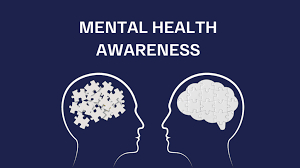
Mental health is an essential component of overall well‑being. As communities, schools, workplaces, and families become more attentive to psychological health, effective mental health awareness strategies are increasingly important. In this guide, we explore proven approaches to increase understanding, reduce stigma, encourage support, and improve mental health outcomes.
What Is Mental Health Awareness?
Mental health awareness refers to widespread recognition, education, and understanding of mental health conditions, emotional challenges, and psychological well‑being. Awareness efforts target misconceptions, promote early identification of issues, and encourage individuals to seek help without fear of judgment.
Organizations like the World Health Organization (WHO) emphasize that mental health is not merely the absence of mental disorders but a state of well‑being in which every person realizes their potential, copes with normal stresses, works productively, and contributes to their community. WHO’s framework for mental health promotion supports holistic strategies for prevention and education.
Why Mental Health Awareness Matters
Mental health conditions affect millions globally. According to the Centers for Disease Control and Prevention (CDC), approximately one in five adults in the United States experiences mental illness annually. Left unaddressed, these conditions can lead to disability, reduced quality of life, and increased healthcare costs.
Raising awareness:
• Helps individuals recognize symptoms earlier
• Encourages support‑seeking behaviors
• Reduces stigma associated with mental disorders
• Strengthens community resilience
• Enhances access to care and services
Mental health awareness is a shared responsibility among individuals, families, organizations, and governments.
Understanding Common Psychological Challenges
Before implementing awareness strategies, it is vital to understand common mental health issues. Conditions such as depression, anxiety disorders, and post‑traumatic stress disorder (PTSD) affect varying demographics. Resources from the American Psychological Association (APA) provide evidence‑based insights into symptoms, risk factors, and effective interventions.
Depression often presents with persistent sadness, loss of interest, and fatigue. Anxiety disorders can involve excessive worry, restlessness, and physical symptoms like increased heart rate. Recognizing these signs can lead to timely support from mental health professionals.
Effective Mental Health Awareness Strategies
1. School‑Based Mental Health Education Programs
Integrating mental health education into school curricula can shape positive attitudes early. Students learn:
• Emotional regulation
• Stress management techniques
• Healthy coping strategies
• How to support peers
Programs supported by research from the National Institute of Mental Health (NIMH) demonstrate that school‑based interventions reduce symptoms of anxiety and depression among students.
Training educators on mental health first aid, functional behavioral assessments, and referral systems builds a supportive learning environment. Schools that partner with local mental health organizations can offer workshops, counseling services, and safe spaces for students to share experiences.
2. Workplace Mental Health Initiatives
Workplaces can play a critical role in mental health awareness. Stress, burnout, and job‑related pressure are common contributors to deteriorating mental health. Employers can implement:
• Mental health training for managers
• Flexible work arrangements
• Employee assistance programs (EAPs)
• Wellness workshops
Organizations like the National Alliance on Mental Illness (NAMI) recommend fostering an open culture where employees feel comfortable discussing mental health concerns without fear of reprisal. Leadership that models empathy and transparency builds trust.
Conducting regular assessments of workplace stressors and offering confidential support systems increases employee retention and productivity.
3. Community Outreach and Support Groups
Community‑based efforts amplify awareness by creating inclusive spaces for dialogue and support. Town halls, informational sessions, and community support groups help normalize conversations about mental health challenges.
Local health departments often collaborate with non‑profits to host events during observances like Mental Health Awareness Month. Partnerships with faith‑based organizations, civic groups, and cultural centers ensure outreach is culturally sensitive and accessible to diverse populations.
Peer‑led support groups provide shared experiences, reducing isolation among participants. Facilitators trained through programs recommended by organizations such as Mental Health America (MHA) ensure discussions remain constructive and safe.
4. Use of Digital Platforms for Awareness Campaigns
In the digital age, online presence is crucial for awareness efforts. Websites, blogs, video content, social media channels, and interactive webinars reach wide audiences. Search engine optimized content targeting keywords like “mental health resources” or “coping strategies for anxiety” directs individuals to quality information.
Health educators and advocates can leverage platforms such as YouTube, Instagram, and LinkedIn to share expert interviews, personal stories, and evidence‑based tips. SEO practices—such as incorporating long‑tail keywords, meta descriptions, and internal links—enhance visibility.
Digital campaigns should also include crisis support links, like those from the Suicide Prevention Resource Center (SPRC), to connect individuals with immediate help.
5. Training in Mental Health First Aid
Mental Health First Aid (MHFA) is a public education program designed to teach individuals how to identify, understand, and respond to signs of mental illnesses and substance use disorders. MHFA is modeled on physical first aid training: when you see someone struggling, you provide initial help and guide them toward appropriate support.
Trainers certified through MHFA programs equip community members, teachers, law enforcement officers, and employers with skills to intervene, de‑escalate crisis situations, and refer individuals to professional resources.
6. Reducing Stigma Through Storytelling and Media Representation
Stigma remains a significant barrier to seeking help. Personal testimonies, documentaries, and feature stories humanize mental health experiences, making them relatable. Coverage by reputable media outlets and mental health advocates counters stereotypes and misconceptions.
Collaborations with organizations like The Jed Foundation (JED) encourage youth engagement by spotlighting narratives of recovery and resilience. Encouraging those with lived experience to share their stories respectfully fosters a culture of empathy.
7. Policy Advocacy and Systemic Change
Long‑term advancement of mental health awareness requires supportive policies at local, national, and international levels. Advocates work with policymakers to secure funding for mental health services, expand access to care, and implement parity laws ensuring mental health coverage in insurance plans.
Institutions like the World Psychiatric Association (WPA) and the United Nations (UN) emphasize mental health as a global priority. Policy change influences community norms and resource allocation for prevention, early intervention, and long‑term support systems.
Measuring Impact and Adjusting Strategies
Effective awareness strategies must be measured and adapted. Utilizing surveys, feedback forms, engagement metrics, and outcome data helps organizations understand their reach and effectiveness. Metrics include:
• Increased help‑seeking behavior
• Reduced reported stigma
• Improved self‑reported well‑being
• Participation rates in workshops and training
Digital analytics tools track page views, keyword performance, and user engagement on blog posts like this one. Monitoring emotional sentiment in comments and social discussions provides qualitative insights.
Regular evaluations ensure strategies evolve with community needs and reflect best practices identified by research from institutions like the American Psychiatric Association.
Resources for Mental Health Support
Providing accessible resources is key to awareness and support. Trusted organizations offering information, referrals, and crisis lines include:
• National Institute of Mental Health (NIMH) – research, facts, and treatment guidance
• Mental Health America (MHA) – screening tools and community resources
• National Alliance on Mental Illness (NAMI) – support groups and advocacy
• Suicide Prevention Resource Center (SPRC) – crisis intervention resources
• World Health Organization (WHO) – global mental health policies and data
Including resource links on your website and blog ensures visitors have direct access to credible information.
Final Thoughts
Mental health awareness is an ongoing, dynamic effort that touches individuals, families, workplaces, schools, and entire communities. By implementing strategic awareness initiatives, promoting access to resources, and fostering empathy, we contribute to a culture that values psychological well‑being as much as physical health.
Use this guide to inform your awareness campaigns, blog content, and outreach programs. With commitment, education, and collaboration, we can make meaningful strides toward a world where mental health is understood, supported, and prioritized.