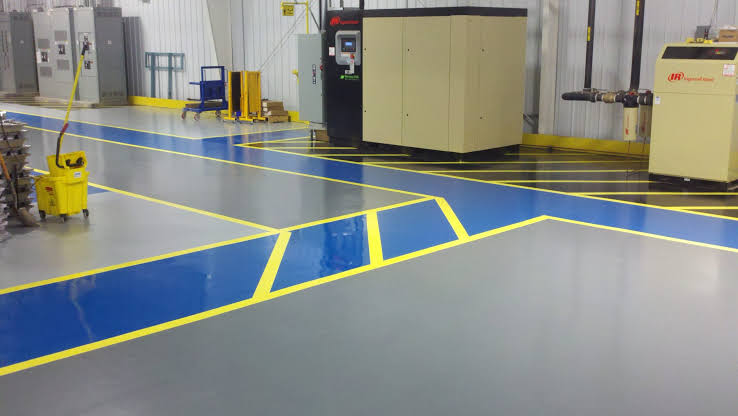
Industrial warehouses depend on flooring systems that can withstand constant activity, heavy equipment, and demanding operating conditions. From forklift traffic and pallet movement to chemical spills and frequent cleaning, warehouse floors face daily stress that can affect safety, productivity, and maintenance costs.
Choosing the right Commercial warehouse floor coating solutions helps businesses protect their concrete surfaces while creating a more reliable working environment. Companies such as Superior Garage Flooring recognize the importance of suitable coating systems in maintaining durable, functional flooring for commercial and industrial spaces.
Why Warehouse Floors Need Professional Coating Systems
Concrete is a common flooring material in warehouses because of its strength and ability to support heavy loads. However, untreated concrete is not immune to damage. Repeated equipment movement, impact, abrasion, moisture, and chemical exposure can gradually affect its surface.
Without adequate protection, warehouse floors may develop cracks, surface deterioration, dust accumulation, and other problems that interfere with daily operations.
A professionally selected floor coating can provide several practical benefits:
- Abrasion resistance: Helps protect concrete against wear from forklifts, pallet jacks, and other equipment.
- Dust control: Seals exposed concrete to reduce the release of concrete dust during routine operations.
- Chemical resistance: Certain coating systems help protect against exposure to oils, cleaning products, and industrial chemicals.
- Easier maintenance: Creates a sealed surface that is generally easier to clean than untreated concrete.
- Improved appearance: Provides a more uniform finish that supports a clean and organized working environment.
These benefits depend on the coating material, installation quality, concrete condition, and operating requirements of the facility.
Types of Commercial Warehouse Floor Coating Solutions
Not every warehouse has the same flooring requirements. A distribution center with constant forklift traffic may need a different coating system from a facility used primarily for storage or light assembly.
Understanding the available materials helps property managers make informed decisions.
Epoxy Floor Coatings
Epoxy is a widely used option for commercial and industrial concrete floors. It consists of a resin and hardener that chemically react to form a durable surface.
When properly installed, epoxy coatings can provide:
- Strong adhesion to prepared concrete
- Resistance to many common chemicals
- Protection against everyday abrasion
- A smooth, seamless finish
- Different colors and decorative finishes
Epoxy systems are particularly useful in warehouses that need a durable, easy-to-maintain surface. However, installation requires careful attention to concrete preparation, temperature, moisture conditions, and curing requirements.
Polyaspartic Floor Coatings
Polyaspartic coatings are another option for commercial flooring projects. They are known for their relatively fast curing times and resistance to abrasion and chemical exposure.
Depending on the formulation, polyaspartic systems can also provide UV stability, making them suitable for areas exposed to sunlight.
Their faster curing characteristics may help reduce facility downtime. However, application conditions and installer experience remain important because some products have shorter working times than traditional coating systems.
Polyurethane Floor Coatings
Polyurethane coatings are commonly used as protective topcoats in multi-layer flooring systems. They can provide additional resistance to scratches, abrasion, and certain chemical exposures.
Some polyurethane formulations also offer greater flexibility than conventional epoxy systems. This can make them useful as part of a coating assembly designed for specific operating conditions.
The right choice depends on the complete flooring system rather than the topcoat alone.
How to Choose the Right Warehouse Floor Coating
Selecting a coating based solely on its advertised durability can lead to unnecessary expenses or performance problems. Facility managers should evaluate how the warehouse operates before choosing a particular material.
Several factors deserve attention.
1. Evaluate Equipment and Traffic Levels
The type and frequency of equipment movement have a direct impact on flooring requirements.
For example, warehouses that regularly use forklifts, electric pallet jacks, and heavy material-handling equipment need coatings designed to withstand repeated traffic and abrasion.
Consider the following questions:
- How frequently do forklifts travel across the floor?
- Are heavy pallets or machinery regularly moved?
- Do equipment wheels create concentrated pressure points?
- Are there designated loading and unloading areas?
- Does the facility experience frequent turning or braking in specific locations?
High-traffic zones may require additional attention during coating selection and floor preparation.
2. Consider Chemical and Moisture Exposure
Some warehouses handle oils, cleaning chemicals, solvents, or other substances that can affect concrete surfaces.
A coating should be selected according to the specific chemicals present in the facility. Chemical resistance varies between products, so reviewing manufacturer compatibility information is essential.
Moisture also deserves consideration. Water intrusion, cleaning procedures, and moisture vapor transmission through concrete can affect coating adhesion and long-term performance.
A professional moisture assessment can help identify potential problems before installation begins.
3. Prioritize Slip Resistance
Warehouse safety depends partly on the condition of walking and working surfaces. Smooth coatings may become slippery when exposed to water, oils, or other contaminants.
Depending on the facility’s needs, installers can incorporate textured finishes or suitable anti-slip aggregates into the coating system.
The objective is to provide appropriate traction without creating a surface that becomes unnecessarily difficult to clean.
Areas near entrances, loading docks, wash stations, and production equipment may require particular attention.
Why Concrete Preparation Determines Coating Performance
Even high-quality coating materials can fail when applied to poorly prepared concrete. Surface preparation is one of the most important stages of a commercial flooring project because it directly affects how well the coating bonds to the substrate.
Simply cleaning the floor before application is rarely sufficient for many industrial coating systems.
Mechanical Grinding and Surface Profiling
Diamond grinding is commonly used to remove weak surface materials, existing coatings, contaminants, and other substances that interfere with adhesion.
It also creates an appropriate concrete surface profile for the selected coating system. The required profile depends on the manufacturer’s specifications and the type of material being installed.
Crack and Surface Defect Repairs
Existing cracks, spalling, and damaged concrete should be evaluated before coating application.
Appropriate repair materials can address certain surface defects, while more significant structural or movement-related problems may require additional assessment.
Coating over unresolved damage does not eliminate the underlying problem and may result in visible defects or premature coating failure.
Moisture Testing
Excessive moisture within concrete can contribute to blistering, bubbling, or adhesion problems in some coating systems.
Moisture testing helps determine whether the slab is suitable for the intended installation method. If moisture concerns exist, the contractor may recommend additional preparation or a compatible moisture mitigation system.
Maintaining Warehouse Floors After Coating Installation
A well-installed coating system still requires regular maintenance. Proper care helps preserve its appearance and reduces unnecessary wear.
Facility managers can establish a practical maintenance routine by following these steps:
- Remove loose debris regularly. Dust, dirt, and abrasive particles can contribute to surface wear when repeatedly exposed to equipment traffic.
- Clean spills promptly. Oils, chemicals, and other substances should be removed using cleaning products approved for the installed coating.
- Use suitable cleaning equipment. Select brushes, pads, and floor-cleaning machines that will not damage the coating.
- Inspect high-traffic areas. Pay particular attention to loading docks, turning zones, and frequently traveled equipment routes.
- Address damage early. Small areas of coating deterioration should be assessed before the problem spreads or exposes the underlying concrete.
Maintenance requirements vary depending on the coating material, facility conditions, and manufacturer recommendations.
Plan Your Warehouse Flooring Project Around Long-Term Performance
Choosing the right commercial flooring system requires more than comparing product prices or selecting the thickest available coating. Businesses should consider equipment traffic, chemical exposure, moisture conditions, slip resistance, maintenance requirements, and expected facility downtime.
A successful installation also depends on proper concrete assessment, mechanical preparation, compatible materials, and controlled application procedures. Superior Garage Flooring offers insight into the importance of selecting suitable Commercial warehouse floor coating solutions that address these practical requirements.
By evaluating these factors before beginning a project, warehouse operators can make informed flooring decisions that support workplace safety, operational efficiency, and long-term concrete protection.