Dogs communicate fear and anxiety in different ways. Some hide behind their owners, while others bark, growl, pull on the leash, or avoid unfamiliar people and situations. These reactions are not necessarily signs of disobedience. They may indicate that a dog feels uncomfortable, threatened, or uncertain about its surroundings.
Dog training for fearful and nervous pets requires patience, consistency, and an understanding of canine behavior. Rather than forcing dogs to confront their fears, effective training focuses on building trust, creating positive associations, and helping them develop confidence at a manageable pace. Rob’s Dog Training recognizes the importance of understanding individual canine needs when approaching behavioral challenges.
Understanding Why Dogs Become Fearful or Nervous
Fear is a natural response that helps animals recognize and avoid potential threats. However, when a dog frequently reacts with anxiety to ordinary situations, everyday activities can become challenging for both the pet and its owner.
Several factors can contribute to fearful behavior, including:
- Limited early socialization: Puppies that have fewer positive experiences with different people, animals, sounds, and environments may struggle with unfamiliar situations later in life.
- Negative experiences: Previous mistreatment, frightening encounters, or stressful events can influence how dogs respond to certain triggers.
- Genetics and temperament: Some dogs naturally have more cautious temperaments and may need additional time to feel comfortable in new environments.
- Changes in surroundings: Moving homes, introducing another pet, or experiencing changes in household routines can cause temporary or ongoing stress.
- Medical discomfort: Pain and certain health conditions can contribute to behavioral changes, including increased sensitivity and irritability.
Identifying possible causes helps owners understand their dog’s reactions instead of treating every fearful response as a training problem.
Dog Training for Fearful and Nervous Pets Starts With Trust
Building trust is one of the most important parts of helping an anxious dog become more comfortable. Dogs need to feel safe before they can respond consistently to new experiences or training exercises.
Owners can establish trust through predictable routines, calm communication, and positive interactions. Avoid shouting, physical punishment, or forcing a dog to approach something that frightens it. These approaches can increase stress and make the original fear more difficult to address.
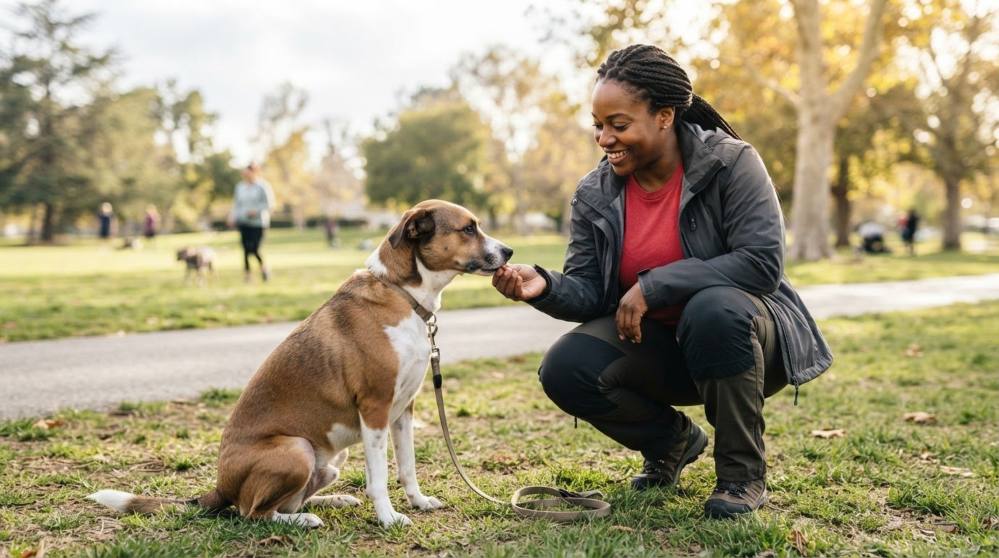
Instead, allow the dog to approach unfamiliar people, objects, and environments voluntarily. Reward calm behavior with treats, praise, or a favorite toy when appropriate.
Consistency also matters. When household members follow similar training methods and boundaries, dogs have fewer reasons to feel uncertain about what is expected of them.
Practical Exercises to Build Confidence in Anxious Dogs
Confidence-building exercises give dogs opportunities to experience unfamiliar situations without becoming overwhelmed. The goal is not to eliminate every sign of nervousness immediately but to help dogs develop more comfortable responses over time.
1. Introduce New Experiences Gradually
Sudden exposure to unfamiliar environments can overwhelm a fearful dog. Instead, introduce new experiences in small, manageable steps.
For example, if a dog is uncomfortable around busy streets, begin at a quiet location where traffic is visible from a comfortable distance. Reward the dog for remaining calm and gradually decrease the distance only when it can handle the current level of exposure.
This approach is known as desensitization. It helps dogs become accustomed to specific triggers through controlled, gradual exposure.
2. Use Positive Reinforcement
Positive reinforcement involves rewarding desirable behavior so that dogs are more likely to repeat it.
When a nervous dog calmly observes an unfamiliar person, hears a new sound, or explores a different area, offer a reward. The reward helps create a positive association with the experience.
Useful rewards include:
- Small, appealing treats.
- Verbal praise delivered in a calm voice.
- Favorite toys.
- Short play sessions.
- Opportunities to explore at the dog’s own pace.
Timing is important. Rewards should follow the desired behavior promptly so the dog can associate the positive outcome with its actions.
3. Practice Simple Obedience Commands
Basic obedience training can provide structure and help dogs understand what to expect during everyday interactions.
Commands such as sit, stay, touch, and come can be useful when introduced through positive reinforcement. Start in a quiet, familiar environment before practicing in places with additional distractions.
Keep sessions short and end on a positive note. If the dog becomes distracted or uncomfortable, reduce the difficulty rather than repeatedly demanding a response.
These exercises help establish communication between dogs and their owners while giving pets opportunities to succeed.
4. Create a Safe Space at Home
A designated resting area can help nervous dogs manage stressful situations. This space might include a comfortable bed, familiar blankets, and favorite toys.
Teach household members to respect this area and avoid disturbing the dog when it chooses to retreat there.
A safe space should not be used as punishment. Instead, it should remain a predictable location where the dog can relax without unwanted interaction.
Recognizing Signs That a Dog Is Becoming Overwhelmed
Understanding canine body language allows owners to recognize discomfort before it develops into a stronger reaction.
Some common signs of stress and fear include:
- Tucked tails or lowered body posture.
- Flattened ears.
- Excessive panting when the dog is not physically exerting itself.
- Lip licking and repeated yawning.
- Avoiding eye contact or turning away.
- Trembling or attempting to hide.
- Growling, barking, or snapping when feeling threatened.
Not every behavior has the same meaning in every situation. Owners should consider the dog’s overall body language and surrounding circumstances.
If a dog repeatedly shows signs of distress during an exercise, increase the distance from the trigger or end the session. Giving the dog time to recover helps prevent unnecessary stress and supports more productive training experiences.
Common Training Mistakes to Avoid With Fearful Dogs
Even well-intentioned owners can unintentionally make anxiety worse by using methods that do not address the dog’s emotional needs.
Forcing interactions: Making a nervous dog approach strangers, unfamiliar dogs, or frightening objects can increase fear. Allow voluntary interactions instead.
Punishing fear-based reactions: Yelling at a dog for barking or growling does not resolve the underlying discomfort. It may also discourage warning signals without making the dog feel safer.
Moving too quickly: Progressing to more challenging environments before a dog is ready can create setbacks. Advance gradually and adjust exercises according to the dog’s responses.
Expecting immediate results: Confidence develops at different rates. Some dogs may respond to new routines relatively quickly, while others need longer periods of consistent practice.
Ignoring possible health problems: Sudden behavioral changes should not automatically be attributed to anxiety. A veterinary examination can help identify pain or medical conditions that may influence behavior.
Avoiding these mistakes creates a more supportive learning environment and helps maintain the dog’s trust.
When to Seek Professional Help for Dog Anxiety
Some fearful behaviors require more guidance than owners can provide through basic obedience exercises. Professional support may be appropriate when a dog experiences intense anxiety, reacts aggressively out of fear, struggles with separation, or cannot comfortably participate in ordinary activities.
A qualified dog trainer can assess behavioral patterns, identify potential triggers, and develop a training approach suited to the dog’s temperament and individual needs. For more complex cases, collaboration with a veterinarian or veterinary behaviorist may also be necessary.
Professional guidance is particularly important when a dog has a history of biting, severe fear responses, or escalating aggression. Owners should prioritize safety by avoiding situations that trigger dangerous reactions while seeking appropriate support.
Training plans should focus on achievable goals, such as remaining relaxed at a greater distance from strangers, walking comfortably in quieter areas, or accepting routine handling without distress.
Building Lasting Confidence Through Consistent Training
Helping a fearful dog become more confident takes patience, communication, and positive experiences. Small improvements, such as exploring a new area, accepting rewards around mild triggers, or remaining calm in previously stressful situations, are meaningful signs of progress.
Dog training for fearful and nervous pets focuses on addressing the emotions behind a dog’s behavior while building trust in people and surroundings. With guidance from Rob’s Dog Training, owners can better understand their dogs’ individual needs and support their behavioral development.
By combining positive reinforcement, gradual exposure, and predictable routines, owners can help their dogs feel more secure in everyday situations. Respecting each dog’s individual pace and maintaining consistent, supportive interactions are essential to lasting behavioral improvement.